


Curiosity, made tangible.
I’m James. I work with AI to build software, investigate questions, and turn a rough idea into something you can explore.
I’m James. I work with AI to build software, investigate questions, and turn a rough idea into something you can explore.
I use AI to explore different ways into a problem. Make an idea concrete. Try another approach. Give a possibility enough shape to discover what it can become.
A promising answer is a beginning. I test it, look for where it breaks, and work through the disagreements before deciding what the result actually shows.
A useful thing. A clearer idea. A lesson for the next attempt. AI helps me make the work; I’m responsible for what I choose to carry forward and stand behind.
Independent research, made inspectable.
The question, the evidence,
and the limits of the result.
A lot of the care happens before there is anything to show: choosing the context, defining what would count as success, and deciding how much effort a task deserves. I give my AI collaborators written standards for all three. Those standards apply to my assumptions, too.
More on judgment and verification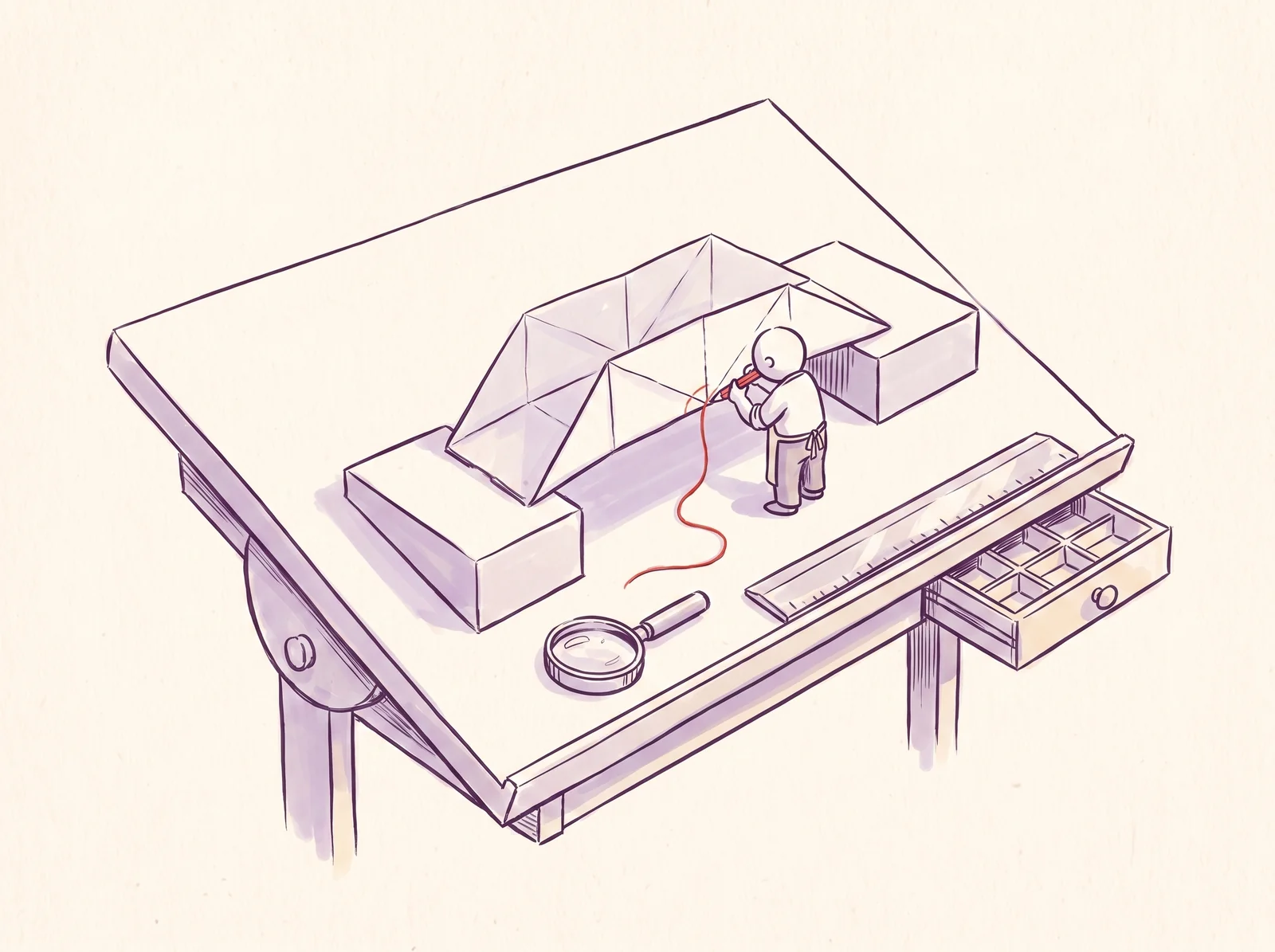
Before an agent starts, I ask it to name the result, what would prove it works, and what must stay unchanged. A completion report is a claim to inspect. If a page is supposed to move, I want it opened and used. If a test passes, I want to know what that test actually establishes—and what it leaves unanswered.
What did we actually verify?My instructions explicitly ask agents to check my claims by the same standard as their own. When a premise is wrong, I want the evidence, its consequence, and a better next step. My confidence, repeated agreement, or the effort already spent should never make an unsupported idea sound more certain. My approval lets work proceed; the underlying claim still needs evidence.
What would change my mind?When independent review is useful, I want a fresh reviewer to receive the work and the criteria, with room to find the original approach wrong. Two AIs agreeing is still a judgment to examine. When they disagree, I trace the difference to evidence. A reviewer’s finding has to hold up before it becomes another task.
Could this check discover a mistake?My setup gives agents a searchable local memory of decisions and corrections, alongside instructions for each project. I ask them to check remembered context against the current source before acting. Handoffs carry decisions, open questions, and supporting evidence. Reusable guidance stays separate from the immediate task, and each read has a purpose.
What does the next decision need?After a useful correction, I ask for the situation that triggered it, the procedure that worked, and the limits of the lesson. That goes into guidance the next agent can find and use. I also ask for repeated rules to be combined and stale instructions retired. Remembering should make the next attempt better.
What deserves to survive?Tokens, time, and attention all count. I ask agents to start with the smallest useful outcome, justify additional agents and checks, and name a stopping point. A reversible experiment can move quickly; work affecting someone’s data or a live product needs more scrutiny. I want to judge the effort against a verified result. If nothing holds up, I would rather hear that than get an inflated answer.
What would this extra step change?On judgment, attention,
and working with AI.
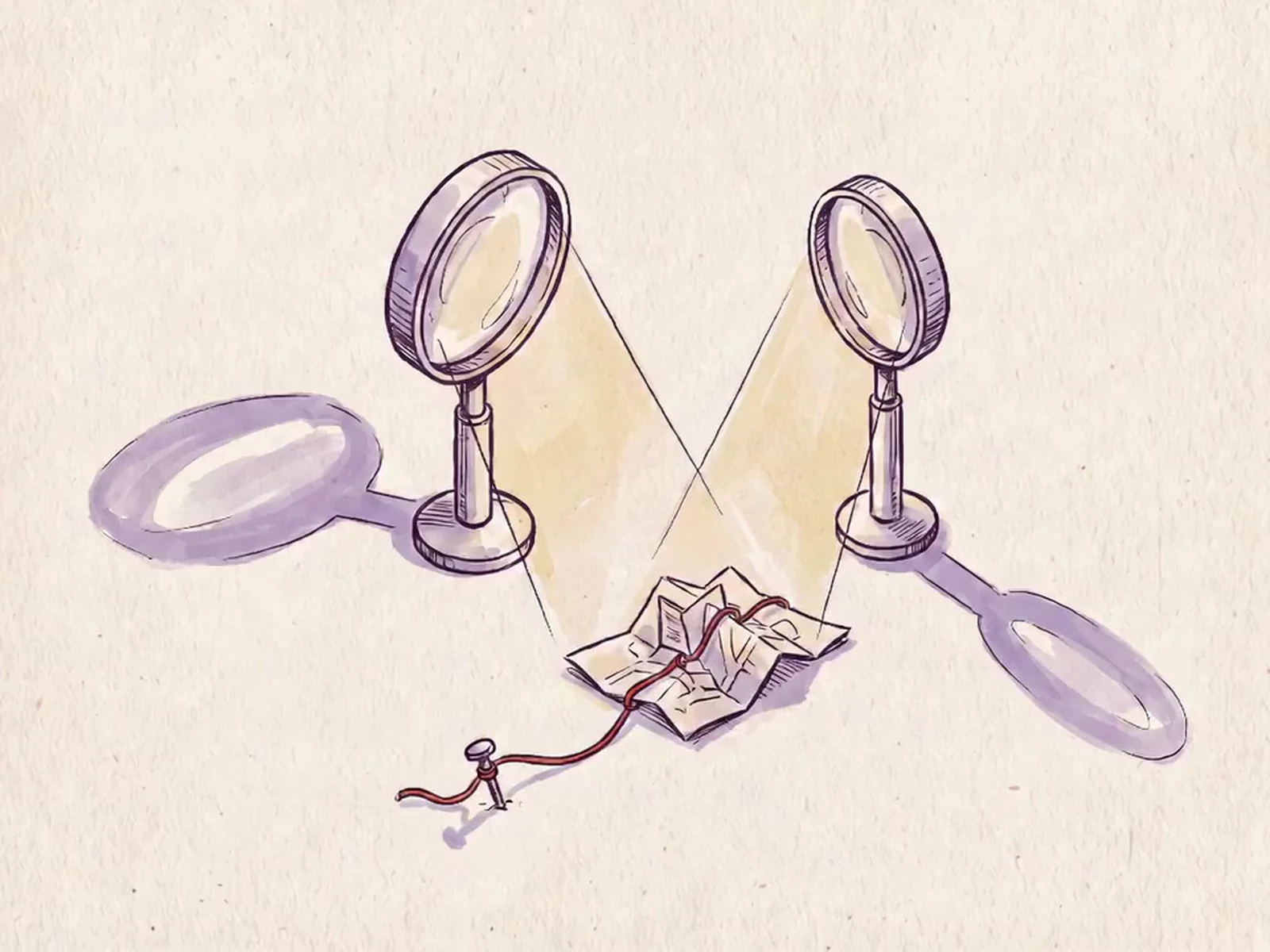
A reviewer who inherits the assumption can confirm the mistake. That is why I care about fresh context: give the reviewer the artifact and the criteria, rather than a persuasive account of why the work is already good.
Read the note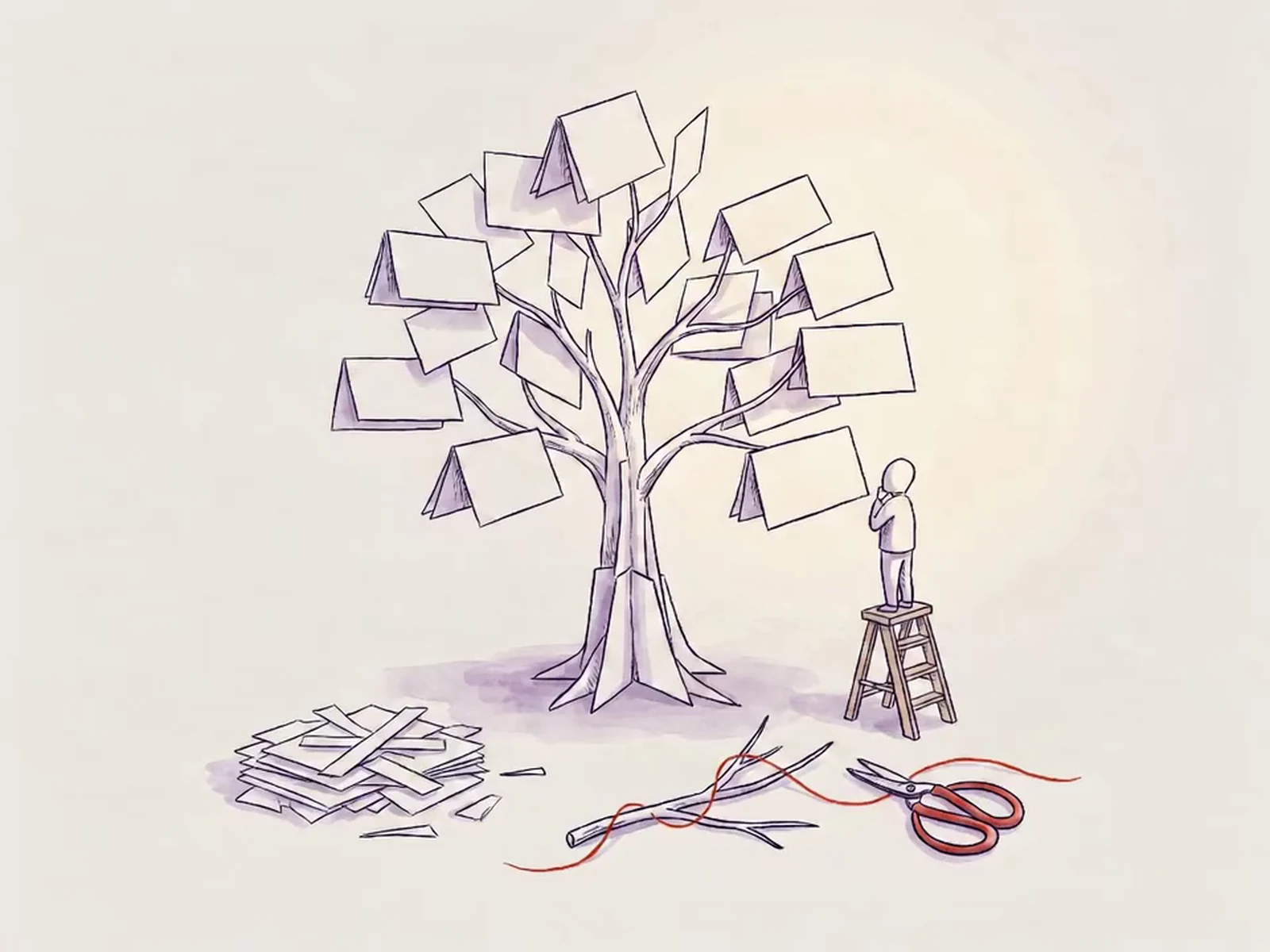
Every instruction costs attention. A useful system needs a way to subtract, as well as a way to remember.
Read the note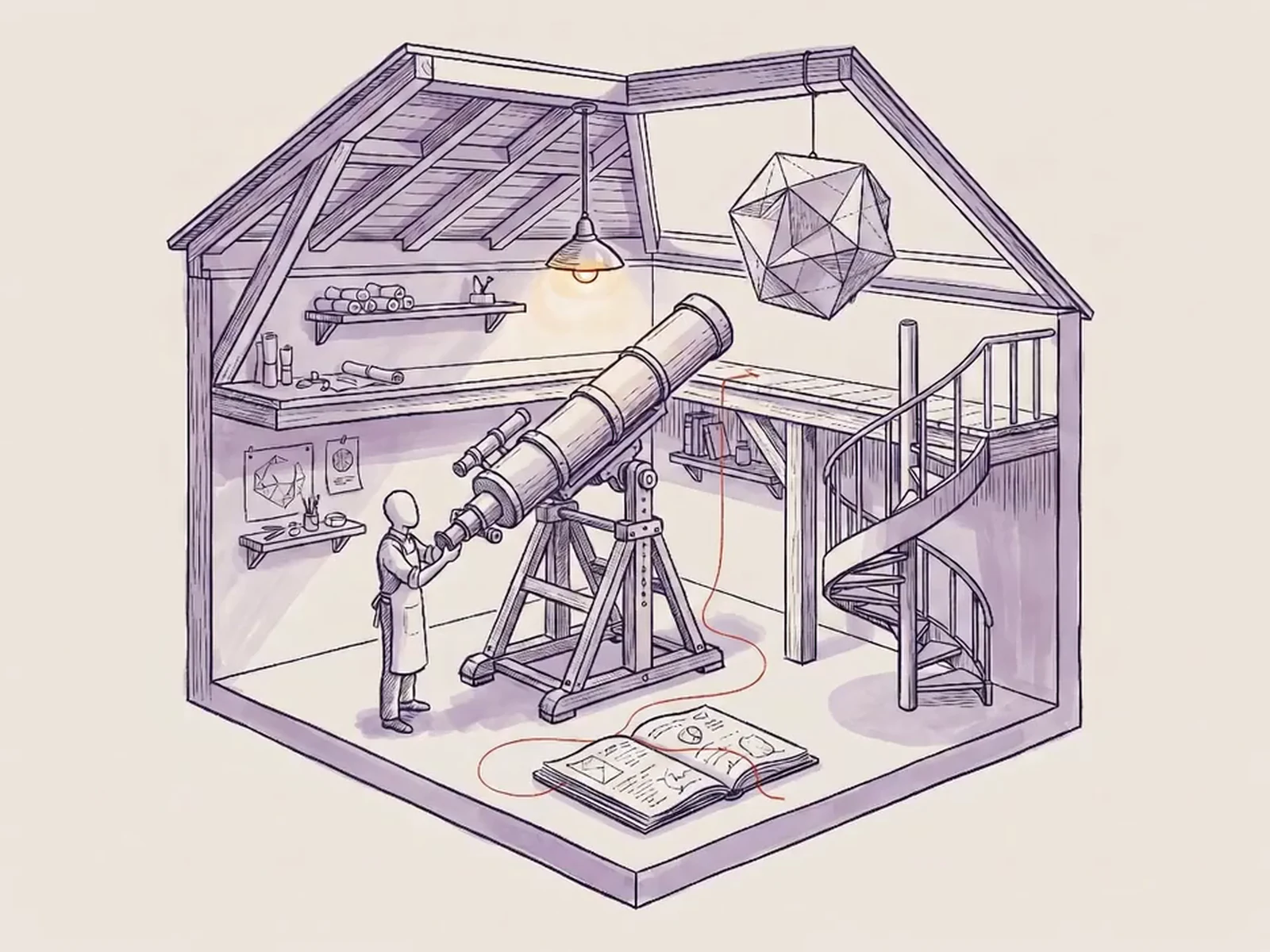
I’m drawn to the space where research, software, and creative work meet.
I’m building a practice around AI: making things, asking better questions, and learning how to tell when an answer holds up. I’m still exploring where that takes me.
A little more about me on LinkedInThe drawings, discarded directions, and decisions behind After the Prompt. An insight into the making of the website you’re exploring.
Inside the making of this website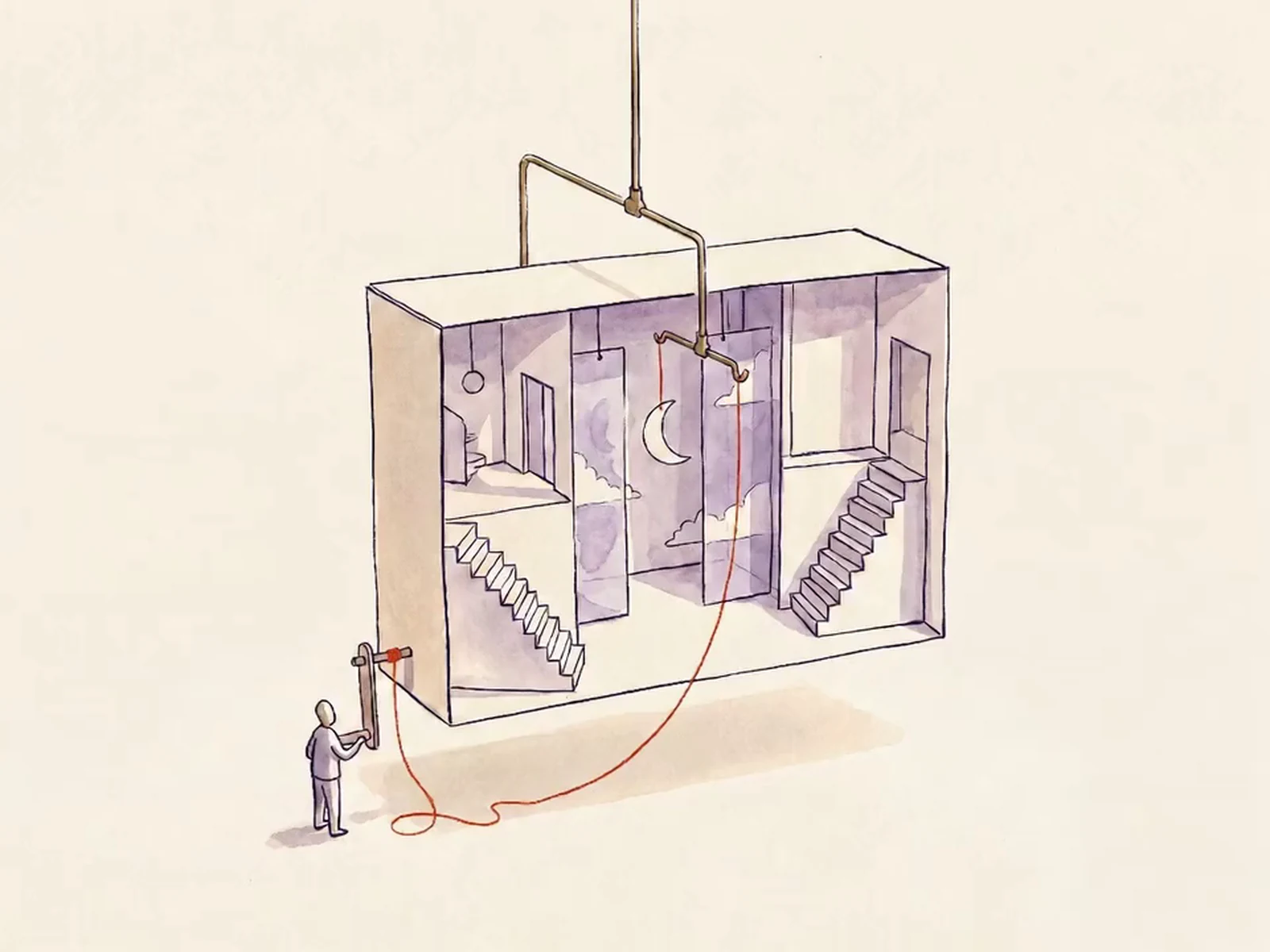
A conversation is a
good place to start.
I’m open to roles across AI. If this way of thinking belongs on your team, I’d like to hear what you’re working on.
Jamesdimachkie@gmail.comJames DimachkieStill curious.

